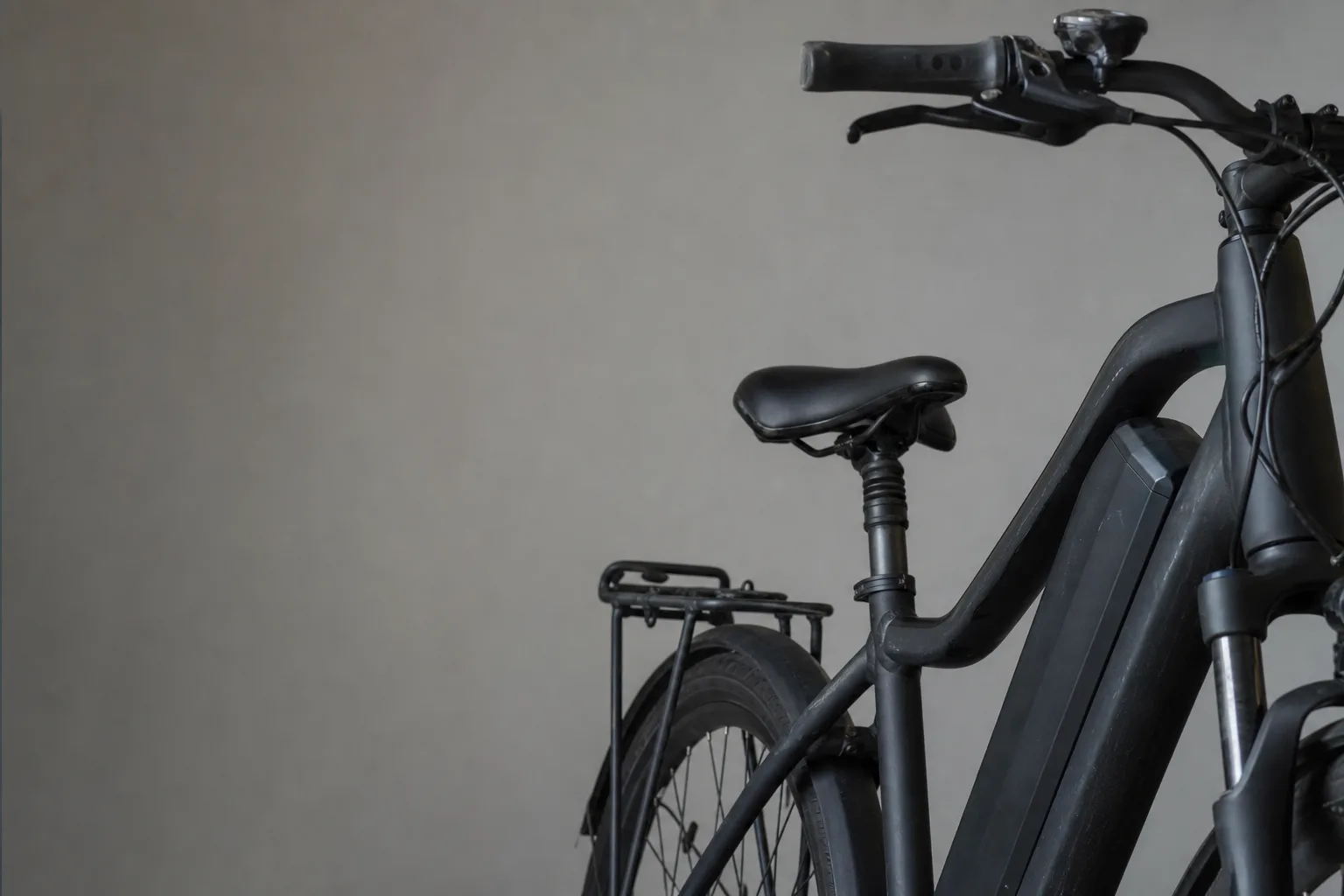
One rider compared step-through frames, motor types, battery weight and the cost of a torn-down service, then wrote down what actually decided it. Nothing here is for sale and no shop paid for a mention.
The motor does one job extremely well and several jobs not at all, and most of the disappointment people report a year in comes from expecting the second group to sort itself out. Assist is torque applied at the crank or the wheel while you are already moving. That is the whole of it. Every problem that lives in that description gets solved, thoroughly and permanently, and every problem that lives somewhere else stays exactly where it was, sometimes worse, because the machine that solved the first group weighs twenty-five to thirty pounds more than the one it replaced.
What the motor genuinely takes off your plate
Hills stop being a decision. That is the honest headline, and it is bigger than it sounds, because the hill you avoid shapes every route you take, and once it stops mattering the map opens back up. Headwinds go the same way: a fifteen mile an hour wind off open ground is a hill that never crests, and assist flattens it. Cargo too. Forty pounds of groceries, a grandchild in a rear seat, a folding chair strapped across the rack, all of it becomes a non-event on flat ground and merely noticeable going up. Recovery is the quiet fourth item, since arriving without your knees complaining is what determines whether you ride again on Thursday.
Joint comfort deserves its own line here. A motor lets you hold a low, steady cadence in an easy gear instead of grinding a hard gear at forty revolutions a minute, and that difference is the one arthritic knees actually feel. You are not pedaling less. You are pedaling against less resistance, which is a different thing, and the reason many riders log more miles on an electric bike than they ever did on the analog one sitting behind it in the garage.
What it leaves exactly where it was
Balance below about four miles an hour is untouched. The motor gives you nothing at a stop sign, nothing while threading a gate, nothing in the wobbling half second after you unclip a foot and put it down on gravel. Mounting is untouched too. Swinging a leg over a top tube, or stepping through and finding the far pedal, is a hip and ankle question, and no amount of watts answers it. Stopping is untouched, or worse, because you are stopping more mass. Standing over the bike at a curb, holding it upright with one hand while you look for traffic, is pure static strength and always will be.
Catalogs that sort themselves as ebikes for seniors are usually sorting on frame drop, upright bar position, seat height and weight distribution rather than on anything the motor does, which tells you where the real design work sits. That is a useful signal. When a manufacturer puts effort into a step-through opening you can clear without lifting your foot past your knee, and into a saddle low enough to plant both heels, it is answering the questions assist cannot.
Where the added weight bites
Every ounce the motor and battery add is charged back to you at the moments when the motor is off. Getting the bike out of a garage, over a threshold, past a car bumper, around a lawnmower. Walking it up a driveway. Lifting the rear wheel to clear a curb. Loading it onto a hitch rack, which is the single most common place people discover that a fifty-five pound bike and a forty pound bike are not in the same category of object. Fixing a flat on the drive side of a hub motor bike in your own driveway, with the cable to disconnect and the axle nuts to torque back down, is a job that used to take fifteen minutes and now takes an afternoon or a shop visit.
The Consumer Product Safety Commission oversees bicycle and battery safety in the United States, and that oversight is one reason to buy from a maker with a real service network rather than a marketplace listing, because the parts that fail are the parts nobody stocks. A controller, a display, a proprietary battery case, a torque sensor buried in the bottom bracket. Ask before you buy how long a replacement battery takes to arrive and what it costs, since that number arrives four or five years out and is usually a meaningful fraction of what the bike cost new.
Working out whether the trade favors you
Try it in the order the day actually happens. Get the bike out of wherever it will live, alone, without help. Stand over it at a stop and put both feet flat. Walk it ten yards in a straight line at a slow pace. Then ride the hill. If the first three go well and the hill was the only thing standing between you and riding twice a week, the trade is strongly in your favor and the rest of the decisions are detail work. If the first three are the hard part, the motor is spending your money on a problem you did not have, and the answer may be a lighter bike, a lower frame or a trike instead.
Most people land somewhere in between, with hills genuinely solved and one handling problem left over, and that leftover is worth naming out loud before the purchase rather than discovering it in a driveway in March. Name it, price the fix, then buy.